Lighting a Spring-Fed Garden Pond for Evening Ambience: Inspiring Ideas
October 30, 2026 - Inspiration


October 29, 2026 - Design

October 28, 2026 - Sources
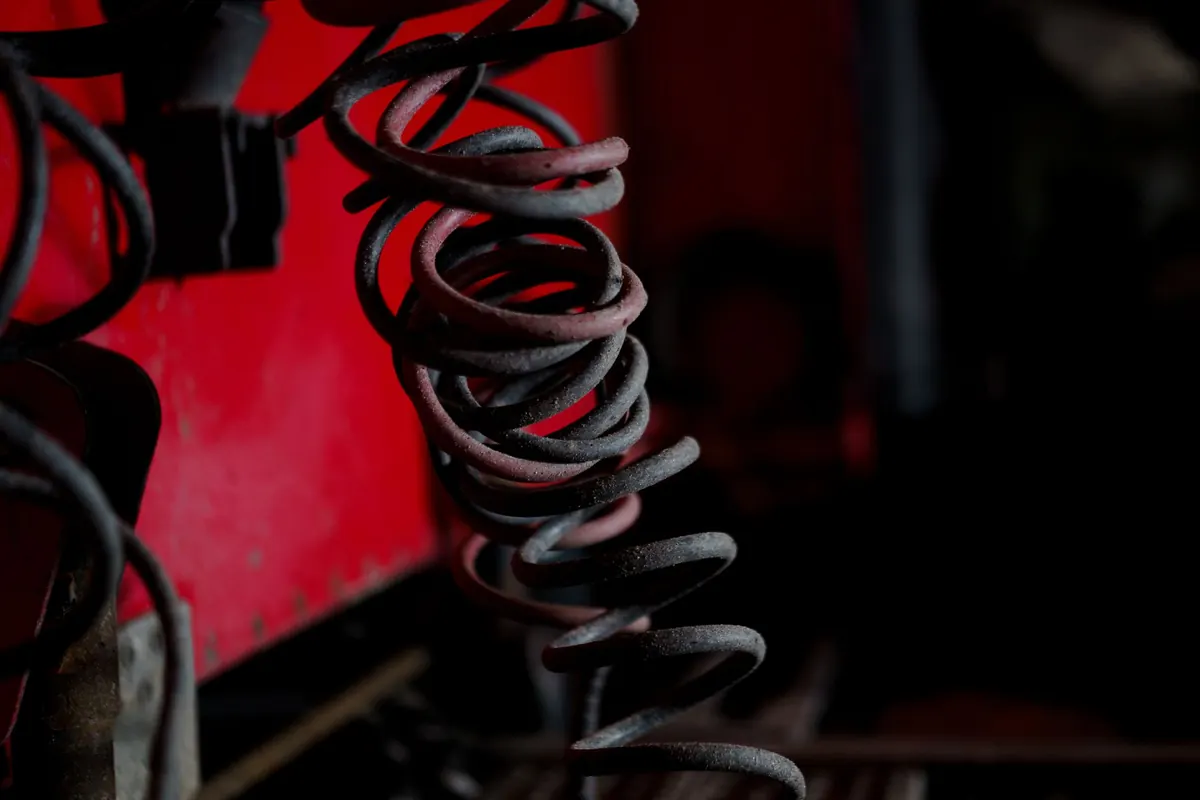
A good task lamp feels like it weighs nothing. You nudge the head and it stays. You push it down and it holds. That easy float is a spring doing quiet, constant work, and like any part under load it gives notice before it goes. The trouble is that the notice tends to be small: a faint creak, half an inch of droop, a hook sitting differently in its hole. Most people only meet their lamp spring on the day it lets go and the arm drops onto the desk. Think of this as the earlier conversation.
On a spring-balanced lamp, the coiled tension spring pulls against the weight of the arm and head. As you move the lamp, the spring stretches or relaxes, and the linkage geometry keeps the head roughly where you left it. That spring sits under tension every hour the lamp is raised, and it flexes every time you reposition the head. Wear collects in three places: the coil itself, the hooks or eyes at each end, and the holes or brackets those hooks sit in. Nearly every failure below starts in one of those three spots, which is why a careful look at the ends of the spring tells you more than a glance at the middle.
Springs are usually silent. When they start talking, listen properly. A dry, papery creak as you move the arm often means coils are rubbing against each other or against a guide. A sharp click in the middle of the travel suggests a coil is binding and then releasing, or that a hook has shifted in its hole. The worst sound is the twang: a sudden boing followed by slackness, which usually means the spring has slipped off a hook or a coil has caught and jumped.
Test it in a quiet room. Unplug the lamp, then move the arm slowly through its full range, pausing at each joint to listen. Be fair to the lamp: a single soft click when the arm reaches the very end of its travel can be normal, and an old shade collar can rattle too. What matters is a new, repeating noise that happens in the middle of the movement, where nothing used to happen.
One caution: don't reach for the oil can. Lubricant on a spring collects dust and grit, which turns a light creak into a grinding paste. If a pivot is dry, grease the pivot, not the coil.
The classic symptom is a head that sinks slowly over an hour, so you come back to a lamp aimed at the desk instead of the page. At first you tighten the joint or give the balance nut a quarter turn. Then you tighten it again. When the adjustment runs out of thread and the arm still falls, the spring has lost tension and no amount of fiddling will bring it back.
We expect a failing spring to go slack, but stiffness is just as telling. An arm that has become suddenly hard to move, or that moves in notches rather than smoothly, may have a coil riding up over itself, corrosion inside the coil, or a replacement spring that was too short or too strong for the lamp. That last one is common on lamps bought secondhand, where someone fitted "a spring that looked about right" and left the next owner to deal with it.
Feel for the difference between stiff and gritty. Stiff is resistance through the whole arc. Gritty is a rasp or catch at one particular angle, and it usually points to a damaged coil or a hook hole that has worn into an oval and is now grabbing.
Stand back and look at the lamp from the front. On a two-spring design, both springs should sit roughly parallel and take a similar curve. If one spring bows outward while the other stays straight, the pair is no longer balanced, and the arm is quietly being twisted every time you move it. A head that tilts to one side, an arm that rubs against its shroud, or a lamp that drifts slowly sideways rather than down all belong here. Sight along the arm with a straightedge or a plumb line if you want confirmation. Uneven loading accelerates wear at the pivot bushes, so this sign tends to get expensive if you ignore it.
This is the inspection most people skip, and it's the most reliable. Unplug the lamp, let the arm down to a relaxed position, and look closely at both ends of each spring.
If you've found two or more of these signs, plan on a replacement rather than another round of adjustment. Match the spring by wire diameter, coil count, free length, and hook type, and photograph the old one beside a ruler before you take it off. On paired-spring lamps, replace both at once, because a new spring next to a tired one simply moves the twist to the other side. Unplug the lamp first, wear eye protection, and release tension slowly; a loaded spring that lets go can whip a hook into your hand or your face. If the lamp is valuable, awkward to dismantle, or the fix involves drilling out rivets you'd rather not touch, a lighting repair shop is money well spent.
Most lamp springs announce themselves well before they break. Give yours five quiet minutes with the power off, listen, feel, and look at the hooks, and you'll usually know which way the story is heading. A spring is a cheap part. A lamp head landing on a laptop, or on your fingers, is not.
Photo: cottonbro studio / Pexels

A practical, low-glare guide to lighting a spring-fed pond after dark: where to place fixtures, how to catch moving...
A practical layout guide for building a reading corner around a swing-arm wall lamp, from chair placement and lamp...
October 29, 2026 - Design
October 28, 2026 - Sources
Copyright © 2026 Fari Della Sorgente. All Right Reserved.