Lighting a Spring-Fed Garden Pond for Evening Ambience: Inspiring Ideas
October 30, 2026 - Inspiration

October 29, 2026 - Design

October 28, 2026 - Sources

You can spend a weekend choosing the right chandelier and then undo it with the wrong bulbs. Over a dining table the stakes are higher than in a hallway. The light has to flatter faces, keep food looking like food, drop low enough for a long conversation after dessert and still be bright enough for a birthday cake or a child's homework. The bulbs decide all of that — and, less romantically, they decide whether your dimmer behaves or buzzes.
This is a guide to getting those three things right: how much light, what colour of light, and whether the lamp and the dimmer agree with each other.
Start with lumens, not watts. Watts tell you how much electricity a bulb eats; lumens tell you how much light comes out. Roughly, a bulb sold as a "40W replacement" gives about 450 lumens, and a "60W replacement" gives around 800.
For a dining table, work from the fixture rather than the room. A six-arm chandelier with 450-lumen bulbs produces around 2,700 lumens at full output. That sounds like a lot over a table that seats six, and it is — deliberately. You want headroom so the dimmer has somewhere to travel, and so the room still works when you need to clear the plates and find a lost earring. As a general range, aim for somewhere between 1,500 and 3,000 total lumens over a typical four-to-six seat table, then let the dimmer bring it down for dinner.
The number most people ignore is the minimum. A lamp that only dims to 20 percent still reads as "lights on" at eleven at night. If the chandelier is the only light over the table, look for bulbs that dim low — down to five or ten percent — so the last hour of the evening feels like candlelight rather than a slightly apologetic office.
Colour temperature is measured in kelvin, and on a bulb it is printed as something like 2700K or 4000K. Lower numbers are warmer and more amber; higher numbers are whiter and eventually blue. A 2700K lamp sits close to the old incandescent glow. 3000K is a soft white that many people find fine in a kitchen but slightly clinical over a dinner table. 4000K and above belongs in a garage or a utility room, not above the risotto.
There is a second number worth caring about: CRI, or colour rendering index. It describes how faithfully a lamp shows colour compared with daylight. Look for 90 or above on a chandelier over a dining table. Under a low-CRI bulb, rare steak turns grey, herbs look tired and skin looks faintly unwell. Wood, wine and faces are exactly what a dining room is for, so this is not a detail.
Incandescent bulbs drifted orange as you turned them down. Most LEDs hold their colour and simply get darker, which is fine but flatter. If you miss the amber shift, look for bulbs sold as "dim to warm" or "warm dim", which travel from around 3000K down to about 2000K as the dimmer falls. It is one of the few genuinely useful features in modern lighting, and it suits a chandelier perfectly.
Two dimmable things have to agree: the dimmer on the wall and the driver inside each LED lamp. They often don't, and the symptoms are unmistakable — flicker at low levels, a faint buzz you notice only when the room is quiet, a bulb that switches off abruptly instead of fading, or a control that does nothing for the first half of its travel and then jumps.
Most homes have a leading-edge dimmer, the cheaper and more common type. Trailing-edge dimmers cost more but generally handle LED loads more smoothly. Either way, the reliable move is boring: find the model number on the dimmer (take the plate off if you have to), then check the lamp manufacturer's compatibility list before buying. If the list doesn't exist, buy from a shop that will take returns.
Watch the minimum load too. A dimmer rated from 20W upwards may not start reliably with three 5W lamps totalling 15W. That is a common cause of flicker that no amount of bulb-swapping fixes.
A chandelier hangs roughly 75 to 85 centimetres above the tabletop, which puts the bulbs close to seated eye level. That single fact rules out a lot. Clear glass bulbs with decorative filaments look superb when the light is off, but at eye level they are a row of small bright points. Frosted, opal or satin-finish lamps spread the light and are far kinder across a table.
Check the base before anything else: many European chandeliers use E14 small screw sockets, often with candle-shaped bulbs; larger fixtures may use E27. Bring a bulb from the fixture to the shop if you are unsure, and measure the maximum diameter that fits inside any cup or shade. Bulbs that are too wide look wrong even when they work. If the chandelier has small shades, expect them to swallow some output and choose slightly higher lumens to compensate.
Dining light is judged at dinner, not in a shop. Fit your chosen bulbs, then eat three meals under them: one in daylight, one at dusk, one late at night with the dimmer turned low. You will learn quickly whether the bottom of the range is low enough, whether anyone is squinting, and whether the buzz is real. Adjust once, keeping the receipt, and leave it alone after that.
Get those five right and the chandelier stops being a decorative object with a switch and becomes the thing that makes the room feel finished.
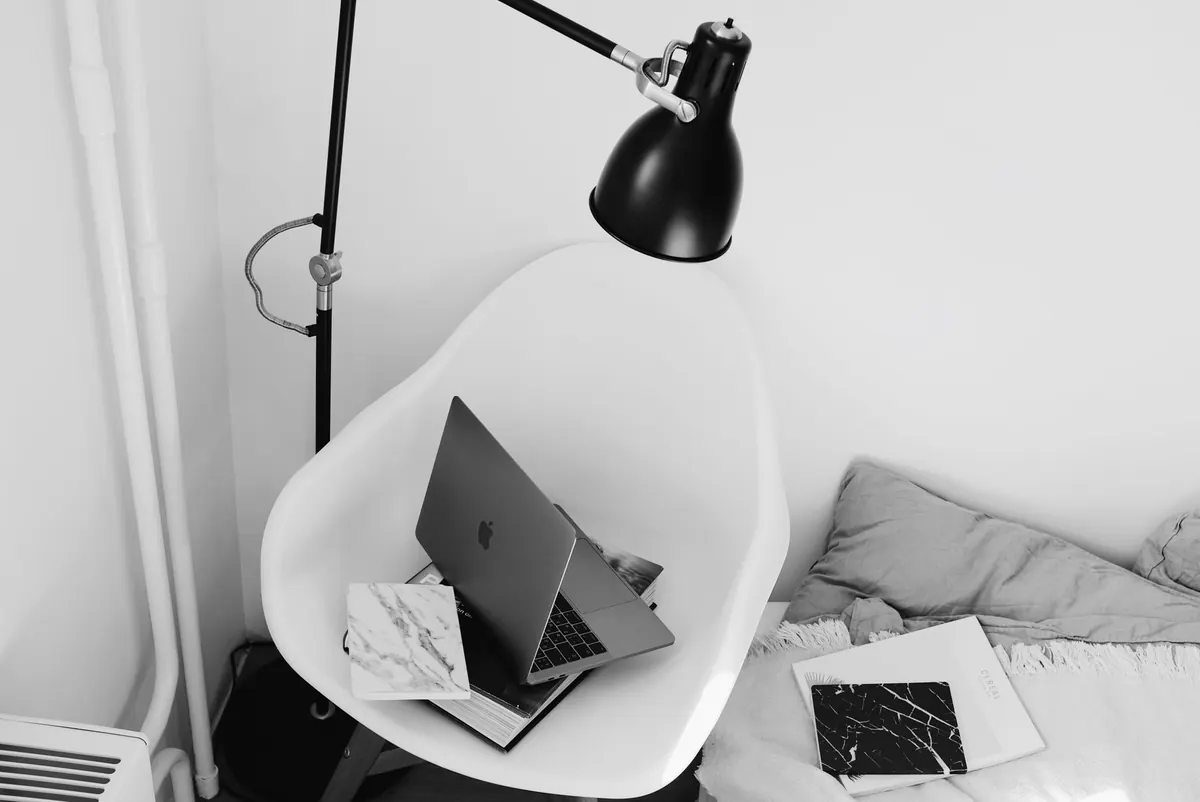
Photo: RitaE / Pixabay

A practical, low-glare guide to lighting a spring-fed pond after dark: where to place fixtures, how to catch moving...
A practical layout guide for building a reading corner around a swing-arm wall lamp, from chair placement and lamp...
October 29, 2026 - Design
October 28, 2026 - Sources
Copyright © 2026 Fari Della Sorgente. All Right Reserved.