Lighting a Spring-Fed Garden Pond for Evening Ambience: Inspiring Ideas
October 30, 2026 - Inspiration


October 29, 2026 - Design

October 28, 2026 - Sources
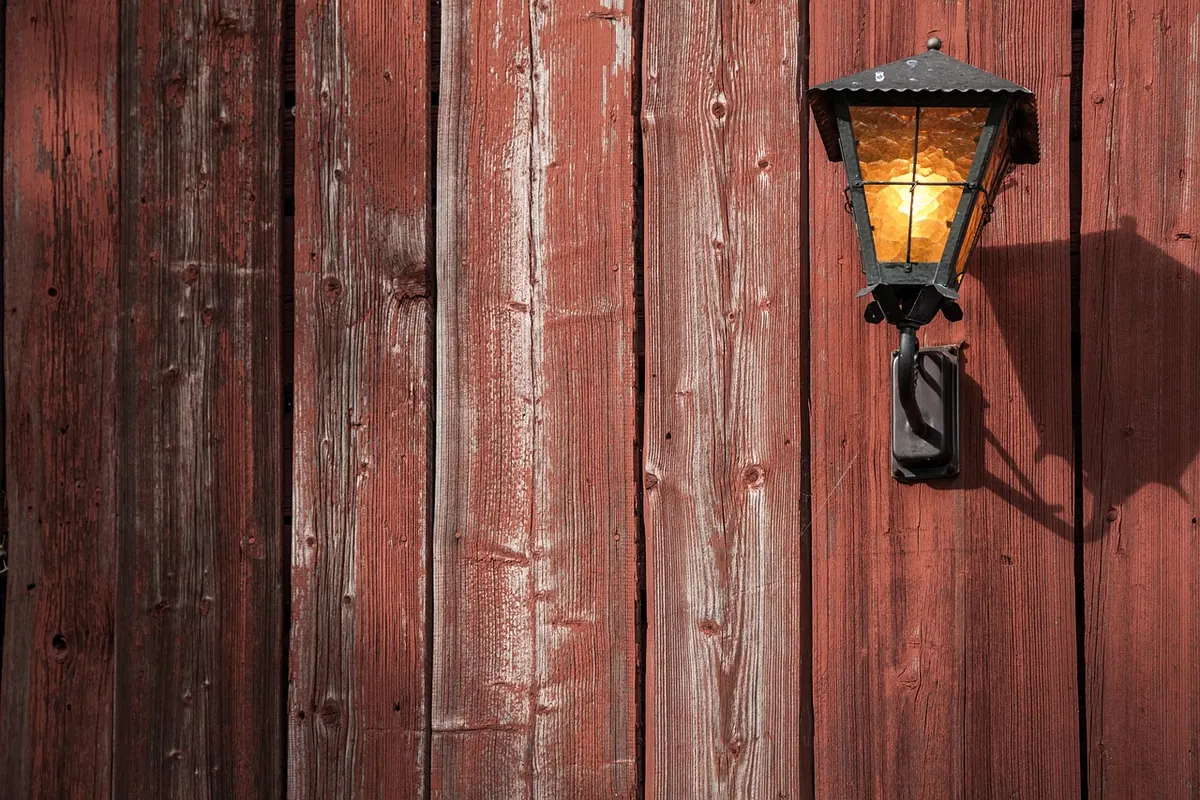
A vintage brass wall sconce can look perfect from across a market stall and still be a bad purchase up close. The trick is to slow down, turn it over, and read the object like a small piece of evidence. Ten minutes of careful inspection will tell you more than any label or seller’s description. Here is the checklist I use before money changes hands.
Patina is not dirt, and it is not automatically damage. On brass, it is the surface history of the piece: warm honey tones, dark recesses, a little green in the crevices, and the occasional fingerprint of old lacquer. Decide whether you like that history, because polishing it away is usually a one-way trip. Heavy polishing can also expose pitting, thin plating, or a repair that was hidden under an even layer of oxidation.
Look closely at the edges and joints. A genuine aged surface usually wears unevenly, with more darkening where hands have touched and more brightness where a cloth has passed. If the brass is painted or sprayed with a tinted lacquer, check for flaking at the edges and around screw holes. A small magnet can help you separate solid brass from brass-plated steel, though fittings and screws may still be magnetic. Neither material is wrong, but the price and the feel should match what you are buying.
While you are looking at the surface, check for cracks, dents, and old repairs. A hairline crack near a bend or a soldered seam is a weak point. So is a backplate that has been ground down to fit a smaller wall box. Patina should make you look harder, not softer.
The socket is where a beautiful object becomes an electrical fixture, so give it your full attention. Ask the seller to remove the bulb if one is fitted. Look inside the socket for cracked bakelite or porcelain, a loose metal shell, a missing insulator, or bent contact points. Dark streaks or a carbon smell are reasons to walk away rather than negotiate.
Work the switch gently. It should click cleanly, without grit or a loose wobble. If the sconce has a pull chain, check that the chain moves freely and that the spring returns it without a snap. A sticky switch can often be replaced, but a cracked socket shell or a scorched interior means the fixture needs new parts before it is safe to use.
Do not force a bulb into a stiff socket. The threads may be crossed, or the socket may be a size that is awkward to replace. If you cannot see the contact at the base, bring a small flashlight. A socket that looks tired on the outside is usually tired on the inside too.
Turn the sconce over and study the backplate and mounting strap. The backplate should sit flat, with no deep bends or cracks around the screw holes. Keyhole slots wear oval over time; if they are badly enlarged, the sconce may hang crooked or work loose. Check that the crossbar or mounting strap is present and straight, and that the screws are long enough to engage the wall box without bottoming out.
Think about your actual wall. Plaster over masonry, drywall with a hidden box, and old lath all behave differently. A heavy brass sconce needs proper anchors and a secure electrical box, not just two plastic plugs. Hold the fixture at the end of its arm and imagine the leverage. If it droops in your hand, it will droop on the wall.
If the sconce has an articulated arm or a spring-loaded shade holder, test the spring tension slowly. It should hold its position without sagging, but it should not require force. A spring that has lost tension can sometimes be replaced; a bent arm or a cracked pivot is a more serious repair. Check that any spring clips are complete and that the shade ring is not distorted.
Follow the wire from the socket through the arm to the backplate. Old cloth-covered wire can look charming and still be brittle. Bend it gently at a few points, without kinking it. If the insulation cracks, flakes, or feels stiff as a straw, plan on rewiring. That is not a reason to reject a good fixture, but it is a cost and a job to factor in.
Look for exposed conductors, wire nuts stuffed into the arm, electrical tape wrapped around a joint, and missing strain relief. A proper fixture should have a secure connection at the socket and a wire that cannot be pulled tight against a metal edge. Check whether a ground wire is present and whether it is actually connected to the metal body. If the wiring has been bypassed or the ground has been cut, treat the fixture as unfinished until an electrician has seen it.
Do not power up an unknown fixture on a market table or in a dusty workshop. A quick continuity test with a meter can tell you whether the circuit is intact, but it cannot tell you whether the insulation is safe. If you are not comfortable working with mains electricity, have the sconce checked and rewired by a qualified electrician before installation.
Old repairs are common, and some are perfectly sound. The ones to worry about are hidden, improvised, or made with the wrong materials. Electrical tape wound around a socket, a modern socket glued into an old shell, a bypassed switch, or a length of household flex pushed through a brass arm are all warning signs. So is a backplate that has been drilled with new holes to fit a different box.
Check the brass itself for epoxy, solder blobs, or mismatched patches. A structural repair near a joint or a mounting point deserves close scrutiny. Ask what was repaired and when. A seller who can explain the work is usually more trustworthy than one who shrugs. A repair is not automatically bad, but it should be visible, stable, and reversible where possible.
Also look at the springs, clips, and pivots. A replacement spring that is too stiff can crack a shade; one that is too weak lets the arm drop. If a spring has been replaced with wire or a rubber band, assume the fitting needs proper parts before use.
Bring a small flashlight, a soft cloth, and a magnet if you have one. Ask permission before removing a bulb or loosening a screw, and never dismantle a fixture on a seller’s table. If two or more electrical points fail, put it back. If the brass is sound and the problems are limited to wiring or a socket, you can decide whether the repair is worth the effort. A good vintage sconce should feel solid, look honest, and leave you with a clear plan for making it safe.
Photo: kerttu / Pixabay

A practical, low-glare guide to lighting a spring-fed pond after dark: where to place fixtures, how to catch moving...
A practical layout guide for building a reading corner around a swing-arm wall lamp, from chair placement and lamp...
October 29, 2026 - Design
October 28, 2026 - Sources
Copyright © 2026 Fari Della Sorgente. All Right Reserved.